
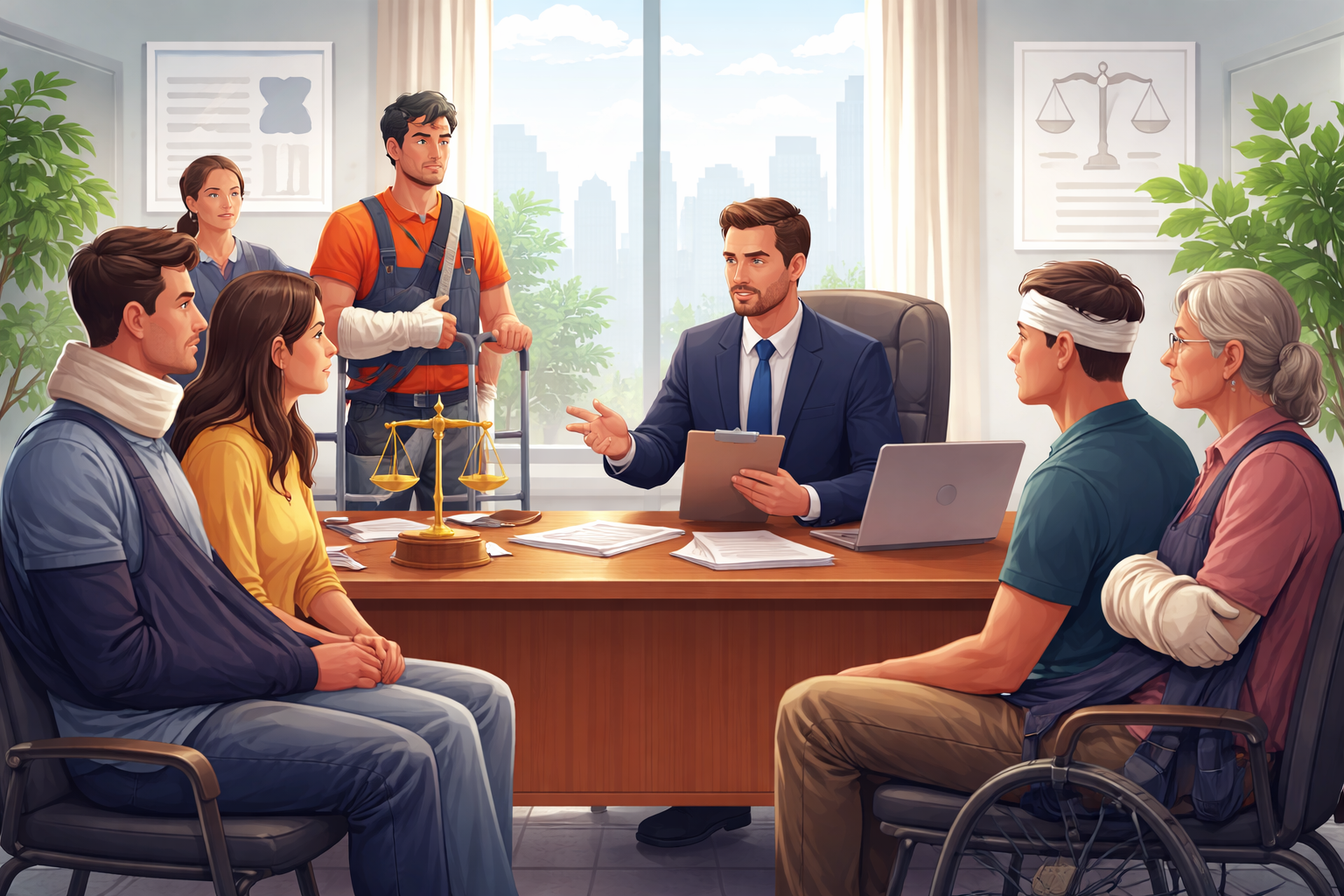
Complete Legal Guide for Accident Victims is designed to help accident victims worldwide understand their legal rights, compensation options, and next steps after an injury. If you or a loved one has been involved in an accident, this guide gives you a clear, beginner-friendly explanation of what to do, what your rights are, and how the legal process works.
This ultimate guide answers common questions, explains legal concepts in simple language, and provides practical examples so accident victims can make informed decisions. Whether the accident happened at work, on the road, or in a public place, knowing your legal options can protect your future.
Meaning / Explanation
A legal guide for accident victims explains the laws, rights, and procedures that apply when someone is injured due to another party’s negligence or wrongdoing. An accident victim can be a driver, passenger, employee, pedestrian, or even a customer injured on someone else’s property.
Globally, accident-related laws may differ by country, but the core principles remain similar. These include the right to medical care, the right to claim compensation, and the right to seek justice through insurance claims or court cases. Compensation typically covers medical bills, lost income, pain and suffering, and long-term disability.
This guide focuses on helping beginners understand legal terms such as liability, negligence, insurance claims, settlements, and court cases without overwhelming legal jargon.
Why It Matters
Understanding your legal rights after an accident matters because injuries can change your life physically, emotionally, and financially. Many accident victims fail to claim compensation simply because they do not know their rights or miss important deadlines.
Medical costs, rehabilitation, lost wages, and emotional distress can quickly add up. Without legal knowledge, victims may accept unfair insurance settlements or give statements that weaken their case. Knowing the legal process helps victims protect themselves and their families.
Globally, accident laws aim to balance responsibility and fairness. When victims understand these laws, they are better prepared to make decisions that affect their long-term recovery and financial stability.
How It Works / Example
The legal process for accident victims usually follows a structured path. While details vary by country, the general steps are similar worldwide.
Step 1: Accident Occurs
An accident happens due to negligence, unsafe conditions, or rule violations.
Step 2: Medical Attention
The victim seeks immediate medical care. Medical records become crucial legal evidence.
Step 3: Reporting the Accident
The incident is reported to authorities, employers, or property owners depending on the situation.
Step 4: Insurance Claim or Legal Action
Victims may file an insurance claim or pursue a court case. Learn more about this comparison here:
Insurance Claim vs Court Case.
Example:
A factory worker slips due to unsafe flooring and suffers a back injury. After medical treatment, the worker reports the accident, files a compensation claim, and may seek legal advice. Depending on local laws, the worker could receive compensation for medical bills, lost wages, and future treatment.
For workplace-specific cases, see: Work Accident Compensation Rules.
Benefits
Understanding accident laws provides several benefits to victims worldwide:
- Financial Protection: Helps recover medical expenses and lost income.
- Legal Awareness: Prevents victims from being misled by insurers.
- Emotional Relief: Reduces stress by knowing available options.
- Fair Compensation: Ensures victims receive what they deserve.
- Long-Term Security: Covers future treatment and disability needs.
Being informed allows victims to take control of their recovery journey rather than feeling helpless after an accident.
Risks / Limitations
While legal remedies offer protection, there are also risks and limitations accident victims should understand:
- Time Limits: Many countries have strict deadlines for filing claims.
- Proof Requirements: Lack of evidence can weaken a case.
- Lengthy Processes: Court cases may take months or years.
- Legal Costs: Some cases involve lawyer fees and expenses.
- Emotional Strain: Legal disputes can be stressful.
Knowing these limitations helps victims prepare mentally and financially before taking legal action.
Common Mistakes / Myths
Accident victims often make mistakes due to misinformation. Below are common myths:
- Myth: Minor injuries don’t need legal attention.
Reality: Small injuries can worsen over time. - Myth: Insurance companies always act fairly.
Reality: Insurers aim to minimize payouts. - Myth: Legal action guarantees instant money.
Reality: Claims take time and require proof. - Myth: Only citizens can claim compensation.
Reality: Many countries protect residents, workers, and visitors.
Avoiding these mistakes can significantly improve outcomes for accident victims.
FAQ Section
1. Who qualifies as an accident victim?
Anyone injured due to another party’s negligence, including workers, drivers, pedestrians, or customers.
2. Do accident laws apply globally?
Yes, but rules differ by country. Core principles like negligence and compensation remain similar.
3. Can I file a claim without a lawyer?
In many cases, yes. However, legal advice can improve your chances of fair compensation.
4. What compensation can I receive?
Medical bills, lost income, pain and suffering, and future treatment costs.
5. How long do accident cases take?
Insurance claims may resolve quickly, while court cases can take longer.
6. What if I was partially at fault?
Some countries allow partial compensation based on shared responsibility.
7. Are workplace accidents covered differently?
Yes, many countries have specific workplace compensation laws.
8. Can tourists claim accident compensation?
In many regions, visitors and tourists also have legal protection.
9. What evidence is important?
Medical records, photos, witness statements, and official reports.
10. Where can I learn about US-specific laws?
You can explore detailed information here: Personal Injury Laws in the USA.
11. What evidence is most important in an accident case?
Medical records, accident scene photos, witness statements, police reports, CCTV footage, and proof of financial losses are among the most important forms of evidence in accident cases.
12. What if the accident happened while traveling abroad?
If an accident occurs while traveling abroad, the laws of the country where the accident happened usually apply. International insurance coverage and local legal assistance may be required.
13. Can family members claim compensation if the victim dies?
Yes. Many legal systems allow close family members or dependents to file wrongful death or fatal accident claims for financial support, funeral costs, and loss of dependency.
14. How long does an accident compensation case usually take?
Simple insurance claims may be resolved within weeks or months, while court cases can take several months or even years depending on the complexity of the case.
15. Will accepting an insurance settlement end my legal rights?
In most cases, once an insurance settlement is accepted and a release form is signed, the victim cannot pursue additional legal claims related to the same accident.
16. Can I change my lawyer during an accident case?
Yes. Accident victims are generally allowed to change their legal representative if they are dissatisfied, although contract terms and local laws may apply.
17. What happens if the responsible party denies fault?
If fault is disputed, the case may require further investigation, negotiation, mediation, or court proceedings to determine legal responsibility.
18. Are accident compensation payouts taxable?
In many countries, compensation received for physical injuries is not taxable, but amounts related to lost income or interest may be subject to tax depending on local regulations.
19. Is there compensation for long-term or permanent disability?
Yes. Many legal systems provide compensation for permanent disability, reduced earning capacity, ongoing medical treatment, and long-term care needs.
20. What if I cannot afford legal fees?
Many accident lawyers work on a contingency or “no win, no fee” basis, meaning legal fees are only paid if compensation is successfully recovered.
For work-related injury rules and compensation frameworks, you can read this detailed guide: Work Accident Compensation Rules .
Accident victims often need to decide between filing an insurance claim or taking legal action in court. A clear comparison is explained here: Insurance Claim vs Court Case .
To understand how accident and injury laws work in the United States, refer to this overview: Personal Injury Laws in the USA .
Trusted External Resources for Accident Victims
Global accident victims can learn more about injury prevention and road safety standards from the World Health Organization: World Health Organization – Road Safety .
Workplace injury rights and employer responsibilities are clearly explained by the Occupational Safety and Health Administration: OSHA – Workers’ Rights and Safety .
An easy-to-understand explanation of personal injury law concepts such as negligence and compensation is available here: Personal Injury Law Overview .
Conclusion
The Complete Legal Guide for Accident Victims empowers individuals worldwide to understand their rights after an accident. Legal knowledge helps victims avoid common mistakes, protect their finances, and seek fair compensation. While laws differ across countries, the basic principles of justice, responsibility, and recovery remain universal.
By staying informed, accident victims can make confident decisions, whether dealing with insurance companies or considering legal action. This guide serves as a starting point for anyone seeking clarity after an unexpected injury.
Disclaimer
This article is for general informational purposes only and does not constitute legal advice. Laws and legal procedures vary by country, region, and individual circumstances. Readers should consult a qualified legal professional or local authority for advice specific to their situation. The information provided here is not a substitute for professional legal consultation.