
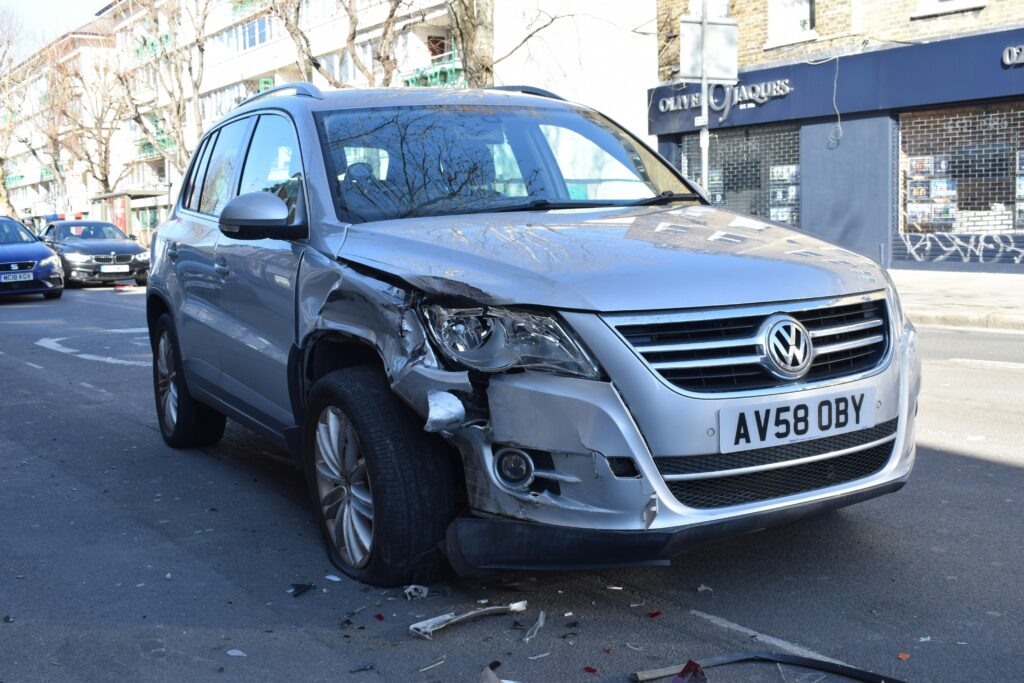
How to Claim Compensation After a Road Accident – Complete Legal Guide
Road accidents can change a person’s life in just a few seconds. Even a small collision can lead to medical expenses, vehicle repair costs, lost income, and emotional stress. Many people do not know that, in many situations, they have a legal right to claim compensation for their injuries and losses.
This guide explains, in simple language, how to claim compensation after a road accident. It is written for ordinary people, not lawyers, and is designed to help you understand the basic steps, important documents, common mistakes, and when to consider getting professional legal help.
Important: Laws and procedures vary from country to country and even between states or regions. This article is for general information only and does not replace advice from a qualified lawyer in your area.
1. Can You Claim Compensation After a Road Accident?
You may be able to claim compensation if:
- You were injured in a road accident, and
- The accident was fully or partly caused by someone else’s negligence (carelessness or wrongful behavior).
Common examples of negligence in road accidents include:
- Speeding or dangerous driving.
- Using a mobile phone while driving.
- Driving under the influence of alcohol or drugs.
- Breaking traffic signals or road rules.
- Driving a poorly maintained vehicle (for example, worn-out brakes or tyres).
Even if you were also partly at fault (for example, not wearing a seat belt), some legal systems still allow you to claim compensation, but the amount may be reduced. This is called “contributory negligence” or “shared fault”.
2. Types of Road Accident Cases That Can Lead to Claims
Road accidents do not involve only two cars. Many different situations may lead to a claim, such as:
- Car versus car collision.
- Motorbike or scooter accidents.
- Pedestrians hit by vehicles.
- Cyclists injured on the road.
- Public transport accidents (bus, taxi, ride-sharing vehicles).
- Truck or lorry accidents.
- Hit-and-run accidents (if the vehicle can later be identified or a special compensation scheme exists).
The basic principles are similar: you need to show that someone else was at fault and that you suffered a measurable loss.
3. What Kind of Compensation Can You Claim?
The exact types and amounts of compensation depend on local law, but most road accident claims cover at least some of the following:
3.1 Medical Expenses
- Emergency treatment and hospital bills.
- Doctor consultations and specialist fees.
- Cost of medicines and medical equipment.
- Physiotherapy, rehabilitation, or counseling.
- Future medical expenses, if long-term treatment is needed.
3.2 Loss of Income
- Salary or wages lost while you were unable to work.
- Loss of overtime pay, bonuses, or incentives.
- Reduced earning capacity if you cannot return to your previous job.
3.3 Damage to Property
- Repair or replacement of your vehicle.
- Damage to personal items (mobile phone, laptop, glasses, etc.).
3.4 Pain, Suffering, and Emotional Distress
In many legal systems, you can claim compensation for non-economic losses such as:
- Physical pain and discomfort.
- Emotional distress, anxiety, or trauma.
- Loss of enjoyment of life or hobbies you can no longer do.
3.5 Other Possible Losses
- Cost of hiring help at home (for example, if you cannot cook, clean, or care for children).
- Travel expenses to hospitals or lawyers.
- In serious cases, compensation for permanent disability or loss of future career opportunities.
4. First Steps to Take Immediately After a Road Accident
Your health and safety come first. However, certain actions taken soon after the accident can greatly strengthen your future compensation claim.
4.1 Ensure Safety and Call Emergency Services
- Move to a safe place if possible.
- Call emergency medical services if anyone is injured.
- Inform the police or relevant traffic authorities, especially if there are injuries or serious damage.
Official police reports often play a major role later when you prove fault and liability.
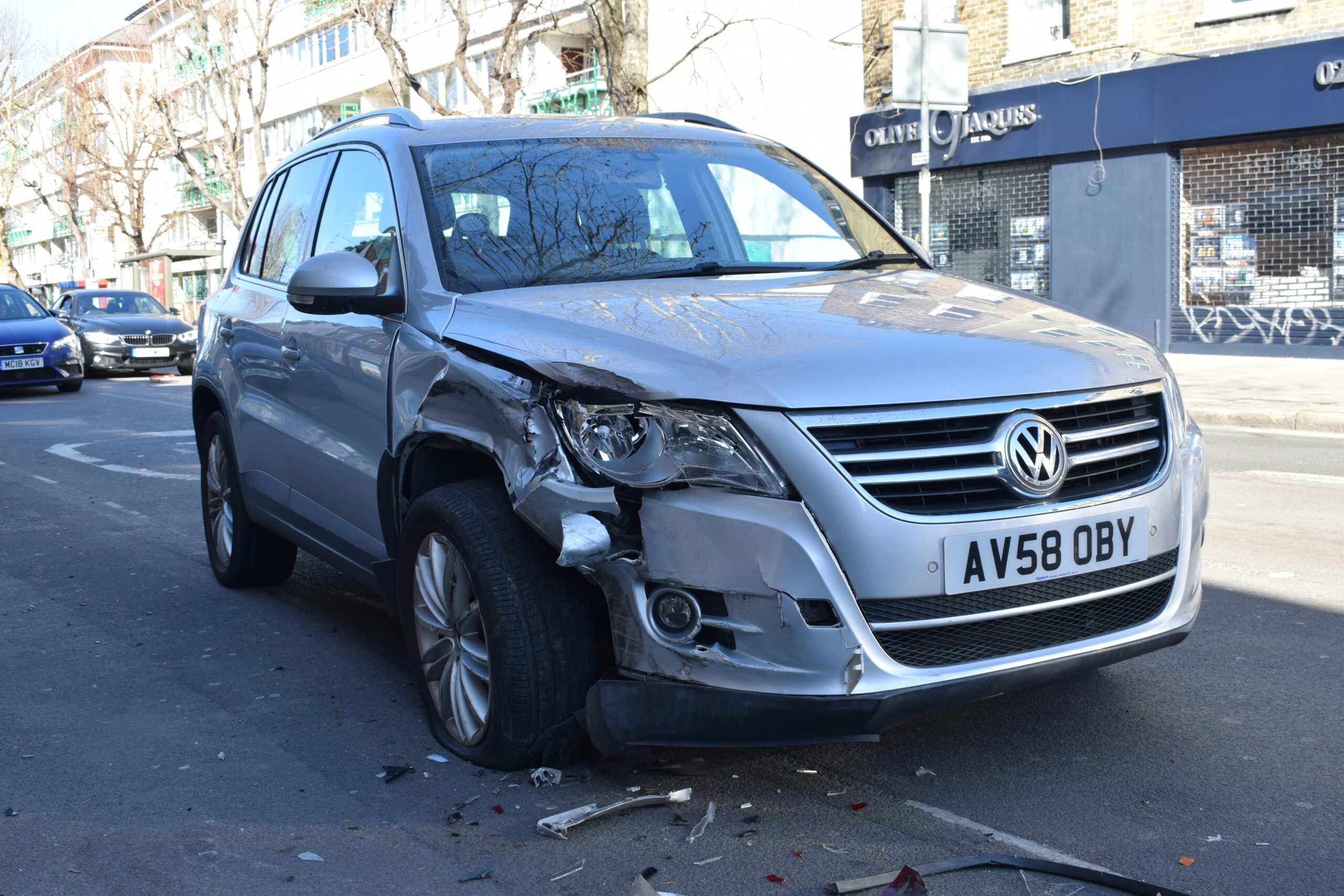
4.2 Collect Evidence at the Scene
If you are physically able and it is safe to do so, collect:
- Photos or videos of:
- Vehicle positions and damage.
- Skid marks, broken glass, or road conditions.
- Traffic signals and signboards.
- Your visible injuries.
- Contact details of:
- Other drivers involved.
- Witnesses who saw the accident.
- Details of:
- Vehicle registration numbers.
- Insurance company names, if available.
Do not argue aggressively or make statements like “It was my fault” at the scene. Simply exchange basic information and wait for authorities if required.
4.3 Get Medical Examination Quickly
Even if your injuries seem minor at first, you should:
- Visit a hospital or clinic as soon as possible.
- Explain that the injuries are from a road accident.
- Request proper medical records and reports.
Medical documents are crucial when you later show:
- That you were genuinely injured, and
- The accident directly caused those injuries.
5. Informing Insurance Companies and Authorities
In many countries, you must inform your insurance company and sometimes the police or other authorities within a specific time limit. Failing to do so can weaken or even destroy your claim.
5.1 Notifying Your Insurance Company
- Check your policy for time limits to report accidents.
- Provide basic details: date, time, location, vehicles involved.
- Give honest information, but do not speculate or exaggerate.
Keep a record of:
- Claims reference number.
- Names of people you spoke with.
- Emails or letters received from the insurer.
5.2 Third-Party Insurance and Liability
In many legal systems, vehicle owners must have at least a basic third-party insurance policy, which covers damages caused to other people. If the other driver was at fault, their insurer may be responsible for paying some or all of your compensation.
However, the process for making a claim against the other party’s insurer may be complex. In serious cases, a lawyer experienced in road accident claims can guide you through negotiations or formal legal action.
6. Documents You Should Keep for Your Claim
Well-organized documents can significantly increase your chances of a successful claim and a fair settlement. Create a dedicated file or folder and store:
- Police reports or traffic incident reports.
- Medical reports, prescriptions, and bills.
- Hospital discharge summaries and test results.
- Receipts for medicines, physiotherapy, or counseling.
- Vehicle repair estimates and invoices.
- Photographs of injuries and damage.
- Proof of income before the accident (salary slips, bank statements, contracts).
- Any communication with insurance companies or lawyers.
Keeping clear records makes it easier to show exactly how much you lost and why your claimed amount is reasonable.
7. How the Compensation Claim Process Usually Works
Every country has its own procedure, but many road accident claims follow a similar pattern. Below is a typical path from accident to settlement.
7.1 Initial Claim or Notice
Either you, your lawyer, or your insurance company may:
- Send a formal notice to the at-fault driver or their insurer.
- Provide basic information about the accident and your injuries.
- Request that they accept liability for the accident.
7.2 Investigation and Assessment
The insurer or responsible party may:
- Examine police reports and witness statements.
- Review medical records and repair estimates.
- Ask for additional documents or an independent medical examination.
This stage may take time, especially in serious or disputed cases.
7.3 Negotiation and Settlement Offers
If the other side accepts that they are liable, they may offer a settlement amount. You should:
- Compare the offer with your actual losses and expected future costs.
- Consider whether it covers pain, suffering, and long-term impacts.
- Discuss with a lawyer if you are unsure whether the offer is fair.
In many cases, there is room for negotiation. Rejecting an unfairly low offer and providing clear evidence can sometimes lead to a higher amount.
7.4 Going to Court or Tribunal (If Needed)
If no agreement is reached, the case may go to:
- A civil court, or
- A special motor accidents claims tribunal, or
- Another formal dispute resolution body, depending on your jurisdiction.
Legal proceedings can be slow and stressful, but in serious injury cases, they may be necessary to obtain fair compensation. A qualified lawyer can represent you and present your case with strong legal arguments and evidence.
8. Common Mistakes People Make After a Road Accident
Avoiding these frequent mistakes can protect your rights and strengthen your claim:
- Not reporting the accident to the police or relevant authorities.
- Leaving the scene without exchanging information (unless you need urgent medical help).
- Admitting fault or apologizing in a way that suggests legal responsibility.
- Delaying medical treatment and then later claiming serious injuries.
- Not keeping receipts and documents for expenses.
- Accepting the first low settlement offer without understanding its consequences.
- Signing documents without reading or without legal advice.
If you are unsure about any form, document, or settlement letter, it is safer to consult a lawyer before you sign.
9. When Should You Consider Hiring a Lawyer?
Not every minor accident requires a lawyer, but legal assistance can be very helpful when:
- You suffered serious injuries or long-term disability.
- There is a dispute over who was at fault.
- The insurance company denies your claim or offers a very low amount.
- There are multiple vehicles or parties involved.
- You feel overwhelmed by the legal and medical paperwork.
A lawyer specializing in road accident or personal injury law can:
- Explain your rights in simple terms.
- Estimate a realistic compensation range.
- Handle communication with insurers and courts.
- Negotiate on your behalf for better offers.
Many personal injury lawyers work on a “no win, no fee” basis or contingency fee in some countries, meaning they are paid only if you win or settle the case. However, fee structures vary, so always confirm terms in writing.
External Resources and Official References
For accurate and up-to-date information related to road accidents, traffic rules, insurance requirements, and legal assistance, you may refer to the following authoritative external resources:
- Ministry of Road Transport and Highways (MoRTH), Government of India – Official guidelines on road safety, traffic laws, and accident reporting procedures.
- Insurance Regulatory and Development Authority of India (IRDAI) – Information on motor vehicle insurance, third-party liability, and insurance claims.
- National Legal Services Authority (NALSA) – Free legal aid and general legal awareness related to accident compensation claims.
These external links are provided for general reference and public awareness. They help readers understand official rules, insurance obligations, and legal support options related to road accident compensation.
10. Frequently Asked Questions (FAQ)
How long do I have to file a road accident compensation claim?
Most legal systems have a time limit, known as a limitation period, within which you must start your claim. This period can range from one year to several years after the accident. If you miss the deadline, you may lose your right to claim. Check the specific time limits in your region as soon as possible.
Do I need a police report to make a claim?
In many cases, a police report is very helpful and sometimes required by insurers or courts. It provides an official record of the accident, parties involved, and initial observations. If police did not attend the scene, you may still be able to report the accident later, depending on local rules.
Can I claim compensation if I was partly at fault?
In some legal systems, you may still claim compensation even if you were partly responsible, but your compensation might be reduced according to your share of fault. This is often called “contributory negligence” or “comparative fault”.
How long does it take to receive accident compensation?
Simple cases with clear liability may settle within a few months. Complicated cases, especially those involving serious injuries or disputes, can take a year or more. Negotiations, medical assessments, and court schedules all affect the timeline.
Should I accept the first settlement offer?
Not always. First offers from insurers may be lower than what you are truly entitled to. Before accepting, compare the offer with your total losses (present and future) and consider getting independent legal advice. Once you accept and sign a full and final settlement, it is usually very difficult or impossible to claim more later.
11. Final Thoughts
Being involved in a road accident is stressful, painful, and often confusing. You may be dealing with injuries, financial pressure, and constant calls or letters from insurers. Understanding your basic rights and the steps in the compensation process can help you stay calm and make informed decisions.
If you carefully document your injuries, expenses, and the circumstances of the accident, and if you act within the legal deadlines, you give yourself the best chance of receiving fair compensation. When in doubt—especially in serious or complicated cases—do not hesitate to speak to a qualified lawyer in your area.
Disclaimer
This article is meant for general information and educational purposes only. Road accident and personal injury laws differ widely between countries and regions, and they may change over time. The information provided here may not apply to your specific situation. Before making any important decision about legal action, settlement, or signing documents, you should consult a qualified legal professional or licensed lawyer in your jurisdiction. The author and publisher do not provide legal services and are not responsible for any actions taken based on this content.
Pingback: Insurance Claim vs Court Case – Which Is Better?
Pingback: How to Track Police FIR Status Online (Step-by-Step India Guide-2026)